Clinically Licensed Psychologist
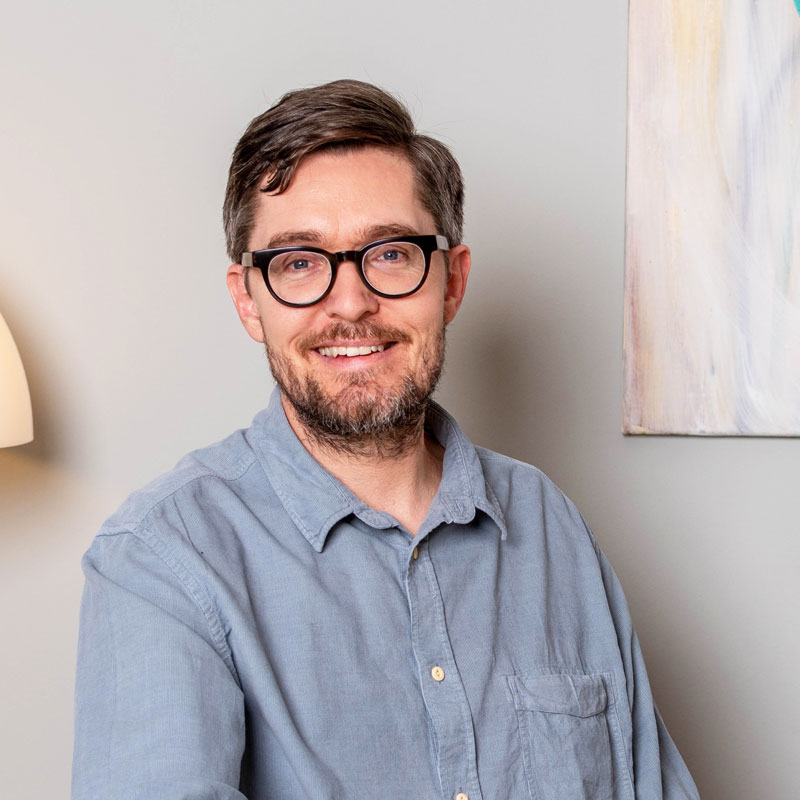
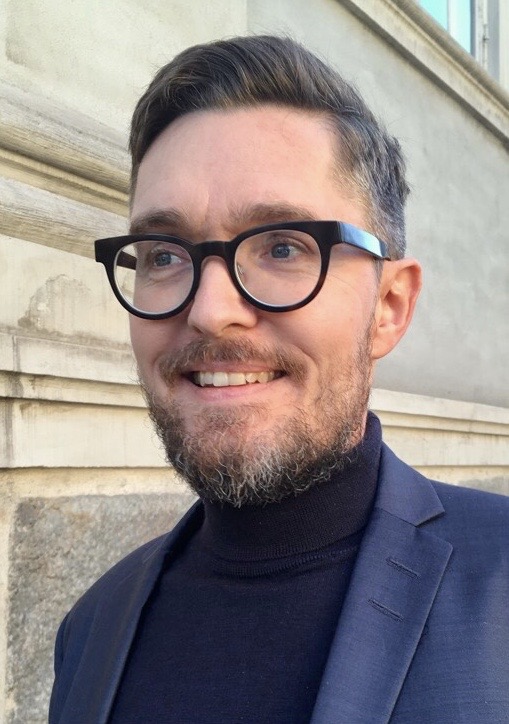
My name is Stefan Andrzej Czartoryski. I hold a Master’s degree in Psychology, am a clinical psychologist, and am retired due to multiple sclerosis. I graduated from the University of Copenhagen in 2003, was licensed in 2006, and am more than 90% complete with my training as a specialist in psychotherapy with adults.
I was diagnosed with multiple sclerosis in 2010. My work includes clinical psychology treatment, organizational psychology, and the supervision of junior psychologists. I have a maximum of two sessions per week, on Tuesday and Thursday mornings, so that it fits with my family life and treatment. Clients receive a copy of my notes from the session and are welcome to record our conversations. Because of my MS, I’m easily moved, especially by touching stories. It usually takes a moment before I compose myself again. I don’t get upset—just moved.
I have been working with psychiatric patients since 1994—before, during, and after my studies in psychology. I am a member of the Danish Psychological Association (Member Number: 8895), works in accordance with the Ethical Principles for Nordic Psychologists, and is Authorized by the Danish Patient Safety Authority: www.stps.dk with Authorization ID: 0GZT2
In recent years, I have become increasingly inspired by the ideas in Carl Rogers’ humanistic therapy—working with an unconditionally positive approach to the client’s perspective and a non-directive approach, in which the client determines their own focus. I have personally been a client in this type of therapy, and it is the approach I have found most effective. It is less structured in its focus than the cognitive and narrative styles I come from, but my impression is that it allows for greater freedom for both the client and myself during the conversation. A more structured approach such as theCognitive therapy is well-suited to a psychiatric hospital setting, where there are many patients on the waiting list and limited time for each individual.
I work with research-based methods that are recognized within the field of psychology. When it comes to practice-based evidence and evidence-based practice: we need both at the same time. It’s like Yin and Yang: they are mutually dependent.
My colleague Kim Gabriel Hansen notes that evidence-based practice (EBP) involves using proven techniques in a way that makes sense to the client in the moment. Neither one can stand alone, nor can the other. In other words: research-based knowledge, the psychologist’s expertise, and the client’s preferences.
Where does the name of my practice come from? I was sitting in a morning meeting in my department at the Sankt Hans Psychiatric Center. The doctor mentioned that a patient had now completed their medical treatment and was being referred to the psychologist’s office. “That would make a great name for a company,” I thought. Shortly after, I went on sick leave due to multiple sclerosis, and later purchased a domain for a website. I wrote to Lægens Bord and asked if they minded me using that name. They were totally fine with it. And the rest is history.
🇵🇱 I was born and raised in Denmark. My dad fled Poland in 1958. My mom is Danish. I started traveling to Poland in 1982. That’s when I started learning to speak a little Polish, but it wasn’t until 2001 that I began speaking it more often. I make mistakes, but we’ll manage.
If you're looking for a native-speaking psychologist, I can recommend Anna Rybacka: www.annarybacka.dk